Modern cyber security professionals require robust tools to combat evolving digital threats. The specialized csi linux distribution offers a comprehensive ecosystem designed specifically for these high-stakes environments.
This platform serves as a premier solution for experts across the United States. It integrates advanced utilities into one cohesive interface to simplify complex investigations.
By utilizing this specialized environment, teams can conduct digital forensics with greater precision. It helps organizations streamline their daily workflows while maintaining the highest standards of data protection.
Key Takeaways
- Provides a unified ecosystem for advanced threat analysis.
- Optimizes workflows for security teams operating in the United States.
- Supports high-level investigative tasks through specialized tools.
- Ensures consistent security standards across all forensic operations.
- Acts as a preferred choice for modern incident response professionals.
The Evolution of CSI Linux in Modern Cybersecurity
Modern cyber security demands have pushed csi linux to evolve from a basic toolkit into a comprehensive forensic powerhouse. In its early stages, the platform served as a collection of disparate utilities for general system administration. However, as digital threats became more targeted and destructive, the need for a specialized, high-performance environment became clear.
The development of csi linux reflects a strategic shift toward integrated, automated workflows. Developers recognized that investigators in the United States required more than just standard command-line tools to combat sophisticated adversaries. This realization led to the creation of a dedicated distribution that prioritizes forensic integrity and efficiency.
Today, the platform stands as a critical asset for professionals tasked with protecting sensitive data. By consolidating advanced tools into a single, cohesive ecosystem, it allows teams to respond to incidents with greater speed and accuracy. The transition from general-purpose software to a specialized forensic environment has fundamentally changed how organizations approach cyber security.
Key factors driving this evolution include:
- Increased automation of evidence collection processes.
- Seamless integration of open-source intelligence gathering modules.
- Enhanced support for live memory analysis and incident response.
- Rigorous adherence to digital evidence standards required by US law.
As the threat landscape continues to shift, the platform remains committed to providing the agility needed for modern investigations. By leveraging csi linux, security teams can maintain a proactive stance against emerging vulnerabilities and complex attack vectors.
Core Architecture and Design Philosophy
The foundation of csi linux rests on a sophisticated architecture designed for high-stakes digital investigations. This platform prioritizes stability and raw performance to ensure that professionals can handle intensive workloads without system failure. By focusing on a modular design, the developers have created a environment that adapts to the evolving needs of the cybersecurity industry.
Custom Kernel Optimizations for Forensic Tasks
A primary advantage of this linux os is the implementation of custom kernel optimizations. These modifications allow for deeper hardware access, which is essential when performing low-level data acquisition from damaged or encrypted drives. By streamlining resource management, the system ensures that memory and CPU cycles are dedicated entirely to the forensic task at hand.
These optimizations provide several critical benefits for investigators:
- Enhanced hardware compatibility for diverse storage devices.
- Reduced latency during heavy read and write operations.
- Improved stability when running multiple resource-intensive applications simultaneously.
Integration of Open Source Security Frameworks
The design philosophy of csi linux emphasizes the power of community-driven development. By incorporating a wide array of open source tools, the platform provides users with access to the latest security frameworks without the constraints of proprietary software. This approach ensures that the toolkit remains current against emerging digital threats.
Users benefit from a transparent ecosystem where security protocols are constantly vetted by global experts. This reliance on open source tools guarantees that the linux os remains flexible and customizable for specific agency requirements. Ultimately, this architecture empowers teams to maintain a high standard of forensic integrity in every case they manage.
Digital Forensics Capabilities within CSI Linux
CSI Linux streamlines the entire lifecycle of a forensic investigation through its specialized suite of integrated utilities. By providing a unified platform, it allows experts to transition seamlessly between different stages of an inquiry without losing critical context. This environment is built to handle the rigorous demands of modern cybersecurity professionals.
Automated Evidence Collection Workflows
Efficiency is paramount when dealing with compromised systems. CSI Linux offers automated workflows that significantly reduce the time required for evidence collection. These scripts minimize human error, ensuring that data is captured in a forensically sound manner.
By automating repetitive tasks, investigators can focus their expertise on high-level analysis rather than manual data acquisition. This approach ensures that the chain of custody remains intact from the moment of discovery. Reliable automation is a cornerstone of effective digital forensics in fast-paced environments.
Advanced File System Analysis Tools
Deep examination of storage media requires precision and power. The distribution includes a variety of advanced file system analysis tools designed to recover fragmented or hidden data that standard utilities might overlook. These tools are essential for reconstructing events after a security incident.
Investigators can perform forensic investigation tasks on various file formats with ease. Whether dealing with deleted files or encrypted partitions, the platform provides the necessary depth for a comprehensive evidence collection process. Utilizing these advanced features allows teams to maintain the integrity of their findings throughout the entire digital forensics lifecycle.
Network Analysis and Traffic Monitoring Features
Mastering network analysis is a fundamental requirement for any professional working within the CSI Linux ecosystem. This distribution provides a comprehensive environment where security experts can observe, record, and interpret data flowing across various infrastructures. By leveraging these built-in capabilities, teams gain the visibility needed to identify unauthorized access or suspicious communication patterns.
Packet Capture and Protocol Decoding
The foundation of effective traffic inspection lies in the ability to capture raw data packets without altering the original evidence. CSI Linux integrates industry-standard tools that allow investigators to perform deep network analysis on captured traffic. These utilities enable the reconstruction of sessions and the decoding of complex protocols to reveal hidden payloads.
Precision is critical when dealing with encrypted or obfuscated traffic streams. Analysts utilize these tools to strip away layers of encapsulation, ensuring that every bit of data is accounted for during the investigation. This systematic approach helps in identifying the specific origin and destination of malicious packets.
Real-time Threat Detection and Alerting
Beyond static inspection, the platform supports active monitoring through sophisticated threat detection systems. These modules provide real-time alerts, allowing security teams to respond to anomalies the moment they occur. By configuring custom rules, administrators can filter out noise and focus on genuine security events that require immediate attention.
The following table outlines the primary tools available for monitoring and analyzing network traffic within the distribution:
| Tool Name | Primary Function | Best Use Case |
|---|---|---|
| Wireshark | Packet Inspection | Deep protocol analysis |
| TShark | Command-line Capture | Automated script integration |
| Snort | Intrusion Detection | Real-time threat alerting |
| Nmap | Network Mapping | Identifying active endpoints |
Incident Response and Live Memory Analysis
When a security breach occurs, the ability to capture memory is a critical component of digital forensics. Because modern threats often reside only in RAM, traditional disk-based analysis is frequently insufficient for a complete incident response strategy.
CSI Linux provides a robust environment designed to preserve evidence that would otherwise vanish during a system reboot. By prioritizing the collection of volatile data, investigators ensure that no critical traces of malicious activity are lost.
Volatile Data Acquisition Techniques
Capturing volatile data requires precision to maintain the integrity of the evidence. Experts utilize specialized tools within the distribution to dump system memory while minimizing the footprint on the target machine.
This process is essential for identifying encryption keys, active network connections, and running processes that do not exist on the hard drive. By following standardized acquisition workflows, teams can perform deep digital forensics without altering the state of the compromised system.
Rootkit Detection and Malware Identification
Advanced threats often employ rootkits to hide their presence from standard operating system utilities. CSI Linux integrates powerful scanners that look for discrepancies in system calls and hidden file structures.
These tools allow for the rapid identification of malicious code that attempts to mask its behavior. By automating the detection process, the platform significantly improves the speed and accuracy of an incident response operation. This capability ensures that even the most sophisticated malware is brought to light during the investigation.
OSINT Tools for Threat Intelligence Gathering
Gathering actionable intelligence from public sources is a cornerstone of effective threat hunting within the CSI Linux ecosystem. By leveraging Open Source Intelligence (OSINT), security teams can proactively identify potential risks before they manifest into full-scale security incidents. This approach allows analysts to maintain a comprehensive view of the evolving threat landscape.
Social Media Investigation Modules
CSI Linux integrates specialized modules designed to navigate the complexities of social media platforms. These tools enable investigators to map intricate connections between entities and identify potential threat actors with high precision. By automating the collection of public profile data, analysts save valuable time during the initial phases of an investigation.
The platform supports the extraction of metadata and user activity patterns across various networks. This capability is essential for building a clear picture of an adversary’s digital footprint. Investigators can then correlate this information with other forensic findings to strengthen their overall case.
Domain and IP Reputation Tracking
Assessing the risk profile of external entities is a critical step in modern cybersecurity defense. CSI Linux provides robust utilities for domain and IP reputation tracking, allowing users to verify the legitimacy of suspicious infrastructure. These tools cross-reference data against global blacklists and threat intelligence feeds to provide real-time risk assessments.
Understanding the history and associations of a specific IP address helps security teams make informed decisions regarding network traffic. By identifying malicious domains early, organizations can implement preventative measures to block unauthorized access. The following table outlines the primary categories of OSINT tools available within the distribution.
| Tool Category | Primary Function | Security Benefit |
|---|---|---|
| Social Media Scrapers | Data extraction | Actor identification |
| IP Reputation Checkers | Risk scoring | Traffic filtering |
| Domain Intelligence | Historical analysis | Threat prevention |
| Metadata Analyzers | File inspection | Evidence validation |
Cryptographic Tools and Data Decryption
Mastering cryptographic tools is essential for any professional conducting a thorough forensic analysis. These utilities provide the necessary leverage to unlock encrypted volumes and protected files that often hide critical evidence. By integrating these capabilities directly into the operating system, CSI Linux streamlines the workflow for investigators working under tight deadlines.
Password Recovery and Hash Cracking Utilities
When investigators encounter password-protected files, they rely on high-performance cracking utilities to regain access. CSI Linux includes industry-standard tools such as Hashcat and John the Ripper, which are optimized for speed and efficiency. These applications allow users to perform dictionary attacks, brute-force attempts, and mask attacks against various hash types.
The ability to crack hashes quickly is a cornerstone of modern forensic analysis. By leveraging GPU acceleration, these tools significantly reduce the time required to bypass security barriers. This efficiency ensures that investigators can move forward with their examination without unnecessary delays caused by encryption.
Secure Data Wiping and Evidence Preservation
Beyond decryption, maintaining the integrity of evidence is a primary concern for any digital investigator. Secure data wiping tools are vital for preparing storage media and ensuring that no residual data leads to cross-contamination. These utilities overwrite sensitive sectors with randomized patterns, effectively sanitizing drives to meet strict legal standards.
Proper evidence preservation requires that every action taken on a drive is documented and verifiable. Using secure wiping protocols helps maintain the chain of custody by ensuring that forensic workstations remain clean between different cases. This practice protects the credibility of the findings during the final forensic analysis phase.
| Tool Name | Primary Function | Performance Level |
|---|---|---|
| Hashcat | Advanced Hash Cracking | High (GPU Accelerated) |
| John the Ripper | Password Recovery | Medium/High |
| Shred | Secure Data Wiping | High (Standardized) |
| Cryptsetup | Volume Decryption | High (Native) |
CSI Linux Desktop Environment and User Experience
CSI Linux transforms the standard desktop experience into a specialized hub for digital investigators. By refining the linux os interface, the platform ensures that critical tools remain accessible during high-pressure forensic tasks. This design philosophy prioritizes both visual clarity and operational speed.
Customized GUI for Forensic Efficiency
The graphical user interface is meticulously organized to reduce cognitive load for investigators. Instead of searching through cluttered menus, users find pre-categorized toolsets that align with specific stages of an investigation. This intuitive layout allows professionals to pivot between evidence collection and analysis without losing momentum.
By streamlining the linux os workflow, the GUI minimizes the risk of human error during complex data processing. Every element serves a purpose, ensuring that the most frequently used forensic utilities are always within reach. This level of customization is essential for maintaining focus during long-term digital examinations.
Terminal-based Automation for Power Users
While the GUI offers ease of use, the terminal remains the heart of the system for experienced analysts. The linux os environment provides a robust command-line interface that supports advanced scripting and rapid execution. Power users can automate repetitive tasks, such as bulk file hashing or log parsing, with just a few keystrokes.
This command-line precision allows for a level of control that graphical interfaces simply cannot match. By leveraging custom scripts, investigators can process massive datasets with incredible speed and accuracy. The synergy between the visual environment and the terminal creates a versatile workspace for any cybersecurity expert.
| Feature Category | GUI Advantage | Terminal Advantage |
|---|---|---|
| Workflow Speed | Visual navigation | Scripted automation |
| Task Complexity | Intuitive management | Deep system control |
| Learning Curve | Low for beginners | High for experts |
| System Interaction | Point-and-click | Direct command input |
Deployment Strategies for US Cybersecurity Teams
Modern cyber security operations demand flexible and high-performance deployment models to handle complex investigations effectively. Choosing the right infrastructure ensures that forensic teams can maintain agility while managing sensitive data across various environments.

Virtual Machine Implementation Best Practices
Virtualization offers an ideal balance of flexibility and isolation for most forensic testing scenarios. By running the platform within a hypervisor, teams can easily create snapshots before performing risky analysis on suspicious files.
This approach allows for rapid environment restoration if a system becomes compromised during a deep dive. It is highly recommended to allocate dedicated CPU cores and sufficient RAM to the virtual instance to prevent performance bottlenecks during intensive cyber security tasks.
Bare Metal Installation for High-Performance Tasks
Some forensic operations require full hardware access to achieve maximum processing speed and efficiency. Bare metal installation is the preferred choice when dealing with massive datasets or hardware-level imaging that virtual environments might struggle to process.
By installing directly onto the host machine, the software gains unrestricted access to the GPU and storage controllers. This setup is essential for cyber security professionals who need to perform rapid hash cracking or large-scale data decryption without the overhead of a virtualization layer.
| Feature | Virtual Machine | Bare Metal |
|---|---|---|
| Resource Access | Virtualized/Limited | Full Hardware Access |
| Deployment Speed | Fast/Instant | Requires Setup Time |
| Best Use Case | Testing & Isolation | High-Performance Cyber Security |
| Snapshot Capability | Fully Supported | Not Supported |
Managing Forensic Cases with CSI Linux
The administrative lifecycle of a forensic investigation is critical for ensuring that evidence remains admissible in court. While technical tools are essential, the ability to organize findings into a coherent narrative determines the success of a legal review. CSI Linux offers a structured environment that bridges the gap between raw data analysis and professional reporting.
Case Management and Reporting Integration
Investigators often struggle with the sheer volume of data generated during evidence collection. CSI Linux simplifies this by integrating specialized modules that categorize findings automatically. These tools allow users to tag specific files, link them to relevant suspects, and generate comprehensive reports with minimal manual effort.
By utilizing these built-in features, teams can maintain a clear and logical workflow. This integration ensures that every piece of data is accounted for, reducing the risk of human error during the analysis phase. Professional reports generated through the platform are designed to meet the strict requirements of both internal stakeholders and external legal entities.
Maintaining Chain of Custody Documentation
A rigorous forensic investigation relies heavily on the integrity of the evidence. Maintaining a verifiable chain of custody is non-negotiable, as it proves that the digital artifacts have not been tampered with since the moment of acquisition. CSI Linux provides the necessary logging capabilities to track every action taken on a file.
To ensure compliance and data integrity during evidence collection, investigators should follow these standard practices:
- Timestamping: Always record the exact time and date of every interaction with the digital evidence.
- Hashing: Generate cryptographic hashes immediately upon acquisition to verify data authenticity later.
- Access Logs: Keep detailed records of who accessed the data and what specific tools were utilized.
- Secure Storage: Ensure that all collected files are stored in encrypted containers to prevent unauthorized modification.
These documentation habits create a transparent audit trail that stands up to intense scrutiny. By leveraging the automated logging features within the distribution, cybersecurity experts can focus on their analysis while remaining confident that their documentation meets the highest legal standards.
Security Hardening and System Maintenance
Security hardening ensures that the underlying linux os remains resilient against external threats during deep forensic analysis. Investigators must prioritize the stability of their environment to protect the integrity of sensitive evidence. A proactive approach to maintenance prevents system failures that could compromise an entire investigation.
Updating Forensic Toolsets Safely
Keeping forensic software current is vital, yet it requires a cautious strategy to avoid breaking complex dependencies. Analysts should verify that updates do not interfere with existing configurations or data collection scripts. Consistency remains the hallmark of a reliable forensic workstation.
- Always perform a full system backup before applying major updates.
- Use virtual snapshots to test new tool versions in a controlled environment.
- Verify cryptographic signatures of downloaded packages to ensure authenticity.
- Document all changes made to the system environment for future reference.
Configuring Firewall and Network Isolation
Effective network analysis requires strict control over inbound and outbound traffic to prevent unauthorized data leakage. By isolating the forensic machine, investigators ensure that no external entities can interfere with the evidence being processed. Proper firewall rules act as a digital barrier during live investigations.
Implementing robust isolation techniques is essential when dealing with potentially malicious traffic. Analysts should utilize tools like iptables or nftables to create granular rules that restrict communication to only necessary ports. This level of control is critical for maintaining a secure and professional network analysis workflow.
Comparing CSI Linux to Other Forensic Distributions
Selecting the right platform for digital investigations requires a deep understanding of how different distributions handle complex tasks. Cybersecurity professionals often evaluate various open source tools to determine which environment best supports their specific investigative needs. CSI Linux offers a distinct advantage by consolidating specialized utilities into a single, cohesive ecosystem designed for efficiency.
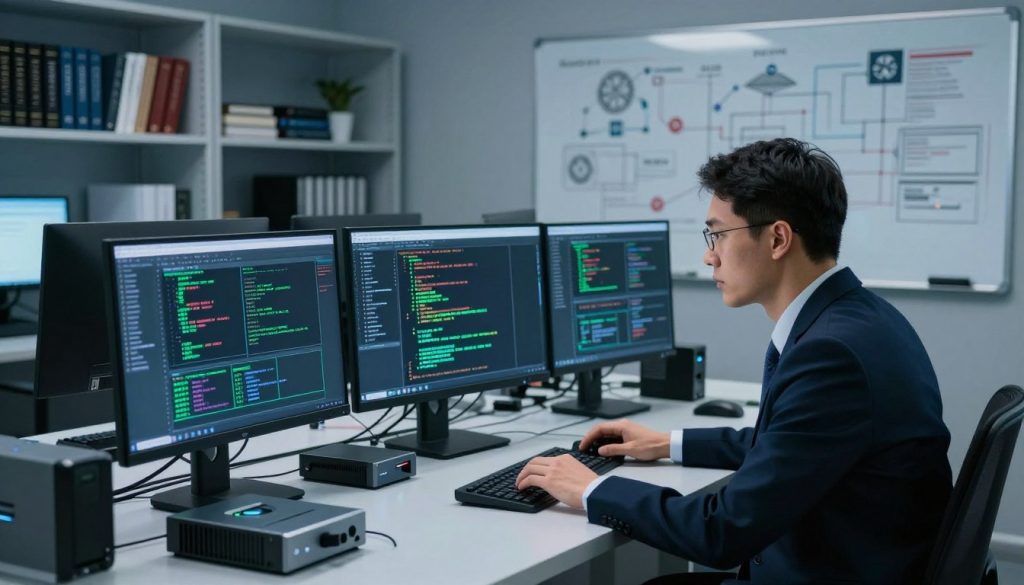
Performance Benchmarks in Controlled Environments
In controlled laboratory settings, CSI Linux demonstrates significant gains in processing speed compared to standard forensic distributions. These benchmarks focus on the time required to index large datasets and execute complex forensic analysis scripts. By optimizing the underlying kernel, the platform ensures that hardware resources are utilized effectively during high-intensity operations.
Reliability remains a cornerstone of these performance metrics. When compared to other platforms, CSI Linux maintains stability even under heavy computational loads. This consistency allows investigators to trust their results without worrying about system crashes or data corruption during critical evidence processing.
Community Support and Documentation Resources
The strength of any security platform often lies in the quality of its community and the depth of its documentation. CSI Linux provides extensive guides that help users navigate the complexities of modern forensic analysis. These resources are vital for both beginners and seasoned experts who need to master specific open source tools quickly.
Active community forums allow professionals to share insights and troubleshoot common issues in real-time. This collaborative environment fosters continuous improvement and ensures that the software evolves alongside emerging digital threats. Access to such a robust support network significantly reduces the learning curve for new teams.
| Feature | CSI Linux | Standard Distros |
|---|---|---|
| Integrated Workflow | High | Moderate |
| Performance Speed | Optimized | Variable |
| Documentation Quality | Comprehensive | Basic |
| Community Support | Active | Limited |
Advanced Scripting and Automation for Experts
CSI Linux provides a robust platform for experts to push the boundaries of forensic analysis through advanced automation. By leveraging open source tools, investigators can tailor their environment to meet the specific demands of complex digital investigations. This flexibility ensures that security teams remain agile when facing evolving threats.
Python Integration for Custom Forensic Scripts
Python serves as a primary language for developing custom forensic scripts within the CSI Linux ecosystem. Experts utilize this language to parse complex data structures and automate the extraction of artifacts from disk images. Custom scripts allow for the rapid processing of evidence that standard software might overlook.
Integrating Python into a workflow significantly improves the speed of incident response operations. Analysts can write modular code to handle specific file formats or network protocols. This approach minimizes manual errors and ensures consistent results across multiple forensic cases.
Bash Automation for Repetitive Tasks
Bash scripting remains an essential skill for power users who need to streamline daily operations. By creating shell scripts, investigators can automate the deployment of open source tools and the configuration of forensic environments. This efficiency is vital when time is a critical factor during an active investigation.
Automating repetitive tasks allows teams to focus on high-level analysis rather than mundane data collection. Whether it involves mounting drives or generating hash reports, Bash provides a reliable way to maintain productivity. Effective incident response often depends on these automated workflows to ensure that no critical evidence is missed during the initial triage phase.
| Scripting Type | Primary Use Case | Efficiency Gain |
|---|---|---|
| Python | Data Parsing | High |
| Bash | System Setup | Very High |
| Custom API | Tool Integration | Moderate |
Ethical Considerations and Legal Compliance
Ethical integrity serves as the bedrock for every successful forensic investigation performed using CSI Linux. Cybersecurity experts must navigate a complex landscape of legal requirements to ensure their findings remain valid and admissible. By prioritizing these standards, professionals protect both the integrity of the evidence and the rights of the individuals involved.
Adhering to US Digital Evidence Standards
In the United States, the admissibility of digital evidence relies heavily on strict adherence to established legal frameworks. Experts must ensure that every forensic investigation follows the Daubert standard, which requires that scientific methods be peer-reviewed and tested. Maintaining a clear and unbroken chain of custody is essential for proving that evidence has not been tampered with during the collection process.
To maintain compliance, practitioners should follow these core principles:
- Document every action taken on the target system to ensure reproducibility.
- Use write-blocking hardware to prevent accidental modification of original data.
- Verify the integrity of digital files using cryptographic hash functions like SHA-256.
- Store all collected evidence in a secure, restricted environment.
Privacy and Data Protection Regulations
Beyond technical standards, professionals must respect the legal boundaries surrounding personal privacy. A thorough forensic investigation often involves handling sensitive information that falls under various regulatory protections. Failure to comply with these laws can lead to severe legal consequences and the dismissal of critical evidence.
Cybersecurity teams should remain vigilant regarding the following regulatory frameworks:
- HIPAA: Protects the privacy of health-related data in medical environments.
- GLBA: Governs the handling of non-public personal information by financial institutions.
- State Privacy Laws: Includes regulations like the CCPA, which grant specific rights to residents regarding their data.
Ultimately, the goal of any forensic investigation is to uncover the truth while upholding the rule of law. By integrating these ethical and legal safeguards into their daily workflows, experts ensure that their work remains beyond reproach. This commitment to compliance strengthens the credibility of the entire cybersecurity profession.
Conclusion
CSI Linux serves as a robust foundation for cybersecurity experts operating within the United States. It integrates essential tools for digital forensics, incident response, and threat intelligence into one cohesive platform. Professionals gain a significant advantage by utilizing these specialized resources to secure complex network environments.
The platform empowers teams to streamline their investigative workflows while meeting rigorous industry standards. By adopting these advanced capabilities, investigators improve their ability to detect threats and preserve critical evidence. This transition toward a unified operating system ensures that forensic tasks remain efficient and reliable.
Success in the cybersecurity field requires a commitment to continuous learning and technical mastery. Experts who dedicate time to exploring the full potential of CSI Linux stay ahead of emerging digital risks. Practitioners should engage with the community to share insights and refine their defensive strategies. Consistent practice with these tools builds the expertise needed to protect sensitive data in an ever-changing landscape.